English

This guide delves into "30421434," a number that signifies key financial data within industry analytics. Discover its implications and role in financial reporting, benefiting professionals who navigate data-driven landscapes. The following article explores methods of interpreting such metrics, the impact on decision-making, and common industry practices.
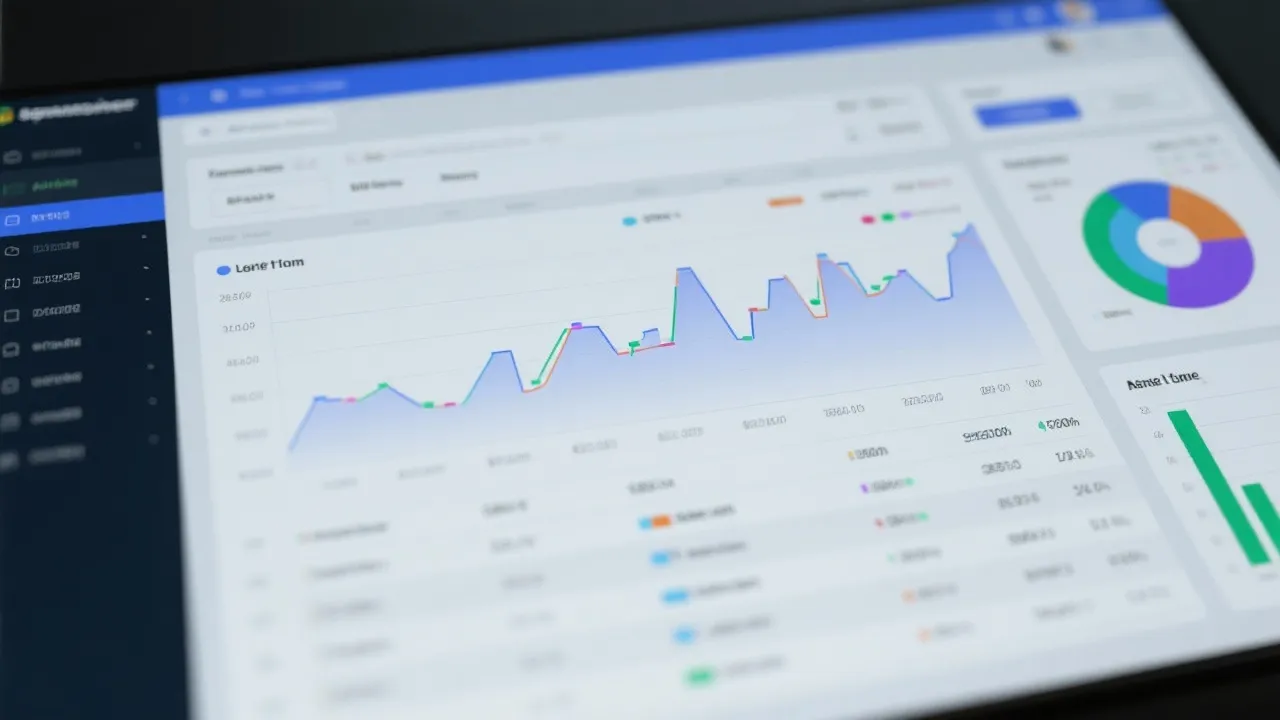
Within the complex landscape of financial analysis, specific data points often serve as crucial indicators. "30421434" is more than just a cluster of numbers; it represents vital metrics industry experts rely on to guide strategic financial decisions. Understanding these metrics allows companies to better navigate the intricacies of market demands, projections, and operational cost management. This article explores their significance and offers a comprehensive analysis suited for financial professionals, diving deep into methodologies, applications, and best practices in financial data analysis.
Numerical identifiers in financial data, such as "30421434," often hold encoded information about various elements such as company finances, stock market trends, or broader economic insights. Within the finance sector, understanding these dynamics is imperative for predicting future performance and making informed decisions. These numbers are incorporated into financial models to drive decision-making processes and strategic planning.
As the complexity of financial markets continues to deepen, the importance of numerical indicators has only grown. They serve as the backbone of analytical frameworks that support investment banking, corporate finance, and market research. For instance, numerical indicators form the basis for modeling cash flows, benchmarking performance, and developing economic forecasts. By translating raw data into actionable insights, financial analysts can deliver critical information that shapes corporate strategy and risk management.
Interpreting such intricate sets of data requires a robust understanding of financial theory and practical application. The following is a step-by-step guide on deciphering key numeric indicators:
When dealing with financial data, certain processes, conditions, and constraints come into play. Understanding these can help analysts better navigate the landscape of financial data:
| Processes | Conditions/Requirements |
|---|---|
| Financial Projections | Require accurate historical data and realistic assumptions about market conditions. Projections must be based on sound analytical reasoning and a thorough risk assessment to be useful. |
| Credit Analysis | Involves rigorous assessment of credit histories, financial stability, and capacity for debt repayment, as well as understanding economic conditions that may impact repayment ability. |
| Mergers and Acquisitions | Demand thorough due diligence and valuation assessments to ensure fair transactions and to uncover any potential liabilities. Understanding synergies and financial implications is crucial. |
| Risk Management | Involves identifying, analyzing, and mitigating financial risks. This requires an understanding of market conditions, regulatory environments, and potential changes in consumer behavior. |
| Tax Planning | Needs comprehensive knowledge of tax regulations and commitments to optimize a corporation's tax position while ensuring compliance to avoid penalties. |
The numeral "30421434" can directly influence economic predictions when interpreted accurately. For instance, it may reflect a pivotal financial milestone for a corporation, such as total quarterly revenue, significantly impacting stock valuation and investor trust. Companies aim to leverage this data to align operational strategies with market opportunities, ensuring good profitability and growth. This intricate dance between numbers and actionable insights can make or break a company’s position in a competitive marketplace.
The impact of financial analysis extends beyond simple reporting; effectively analyzed financial data can lead to enhanced operational efficiencies, better risk management, and ultimately, superior investment returns. Organizations can identify profitable segments, explore new markets, and optimize their resources more efficiently when they harness the power of numerical indicators.
Understanding numeric indicators and financial metrics can be particularly beneficial in various sectors and scenarios:
Within corporate finance, identifying key financial ratios and performance indicators is pivotal for assessing operational effectiveness. Metrics such as Return on Equity (ROE), debt-to-equity ratios, and profit margins are essential for evaluating how well a company utilizes its capital and manages expenses. For instance, a high ROE indicates that a company is effectively converting the equity invested by shareholders into profits, often leading to increased investor interest and stock performance.
In banking, financial metrics are crucial for risk assessment and management. Banks rely on credit scores, loan-to-value ratios, and other numerical data to determine the creditworthiness of borrowers. This ensures responsible lending practices, aligning with financial regulations and risk management principles. Additionally, financial metrics assist in portfolio management, guiding investment strategies across various asset classes.
For investors, analyzing numerical indicators is crucial when evaluating potential stock purchases, mutual funds, or bonds. Fundamental analysis incorporates metrics like earnings per share (EPS), price-to-earnings (P/E) ratios, and cash flow assessments to make investment decisions. Technical analysis, on the other hand, relies more on historical price movements and trading volumes represented often in numerical formats, leading to the development of trading strategies based on market behavior.
Economists and policy-makers heavily utilize numerical indicators to gauge economic health and craft monetary policies. These metrics contribute to understanding inflation rates, unemployment data, and GDP growth rates, ultimately influencing decisions around interest rates and government spending. A deeper economic analysis reflects the socio-economic conditions of a country and can guide sectors from public health to infrastructure development.
Q: How is such specific data relevant to broader market analysis?
A: Numbers like "30421434" contribute to a macroeconomic understanding by revealing detailed metrics that can predict larger market trends and inform investment strategies. They serve as foundational elements for building broader economic models that impact industries and markets.
Q: Are there common tools used for analyzing financial data?
A: Yes. Software like Microsoft Excel, Python libraries (like Pandas and NumPy), R, SQL databases, and specialized tools like Tableau are crucial for detailed data analysis. These tools offer visual representation and computational power to handle large datasets, making them invaluable for data-driven decision-making.
Q: How can professionals leverage this data for strategic decisions?
A: Professionals use accurate data decoding to influence company policy, guide investment efforts, and better predict future market conditions. By analyzing financial performance metrics, they can allocate resources effectively and identify opportunities for growth.
To ensure effective financial data analysis, professionals should consider adopting various best practices:
The analysis of financial data indicators, such as "30421434," holds paramount importance in guiding corporate decisions and shaping economic landscapes. Financial professionals equipped with the right tools and methodologies can decode intricate numerical indicators, deriving insights that enhance strategic planning and operational efficiency. Mastery of these financial metrics ensures resilience, adaptability, and success in an ever-evolving economic environment.
From corporate finance and banking to investment strategies and economic policy analysis, the role of numerical indicators is ubiquitous and critical. As markets continue to evolve, the ability to analyze and interpret financial data effectively will remain a key driver of success. Professionals must commit to rigorous analysis practices while being adaptive to new technologies and methodologies that can support their efforts. With the right approach, companies can utilize financial data not just to survive, but to thrive in today’s competitive landscape.
How to Thrive on Dating Platforms for Asian Singles

Unveiling Atranet Innovation

Discovering the Essence of Done Ti

Prepaid Phones Without Monthly Fees

Navigating SEO for Business Success

Understanding Done Ti: An In-Depth Analysis

Understanding Rs Sul Telecom's Role in Internet Provision

Navigating Affordable Dental Implant Options

Exploring Internet Service Options


Insights into Victor Plech's Contributions
This article delves into the influential work and legacy of Victor Plech, a prominent figure whose contributions have significantly shaped his field. Victor Plech's extensive research and innovative methodologies have set a benchmark for future generations. Through exploring his career and achievements, we gain valuable insights into the landscape of contemporary thought and practice in his area of expertise.
Understanding Financial Data: 30421434
This guide delves into "30421434," a number that signifies key financial data within industry analytics. Discover its implications and role in financial reporting, benefiting professionals who navigate data-driven landscapes. The following article explores methods of interpreting such metrics, the impact on decision-making, and common industry practices.

The Future of Security: SL6699 Explored
Discover the innovative SL6699, a breakthrough in modern security solutions. The SL6699 is designed to enhance safety in high-risk environments through advanced surveillance and monitoring technologies. This article delves into the technical features and benefits of the SL6699, examining its role in the evolution of security infrastructure and highlighting its potential impact across various sectors.